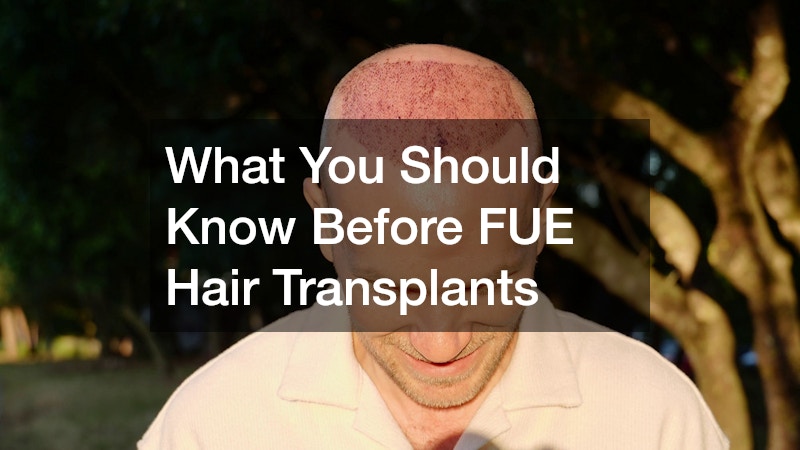
Follicular Unit Extraction (FUE) is an advanced technique in hair transplantation that offers minimal scarring and natural-looking results. Prospective candidates should evaluate their suitability for the procedure carefully, including considering their current health status and long-term expectations.
It’s essential to understand the intricacies of the FUE process and how it compares to other hair restoration methods to make an informed decision. Having realistic expectations and consulting with a qualified specialist can greatly enhance the overall satisfaction of the outcome.
This discussion aims to provide a comprehensive overview of FUE hair transplants, from the procedure mechanics to post-operative care, helping potential patients navigate their options.
How Does FUE Hair Transplant Work?
During an FUE hair transplant, individual hair follicles are harvested from the donor area, usually at the back of the head. The minimally invasive nature of this procedure reduces visible scarring, making it a preferred option for many.
The extracted follicles are carefully implanted into the thinning or balding areas of the scalp. This meticulous process is often aided by advanced technologies that ensure natural hair growth patterns are maintained.
Because each follicle is transplanted one at a time, the precision in FUE allows for higher survival rates and a more natural look. The process requires skilled practitioners to ensure the best results.
Benefits of FUE Compared to Other Methods
FUE is increasingly favored over traditional strip surgery due to the absence of linear scars, which is a significant concern for many patients. The method’s ability to target individual follicles enables the specialist to utilize hair even from donor sites that might not be accessible with other techniques.
The precision of FUE not only improves aesthetic outcomes but also fosters quicker recovery times compared to more invasive procedures. This allows patients to resume their daily routines with minimal interruption.
Moreover, the FUE technique often involves less discomfort during recovery and maintains a less noticeable impact on the overall appearance of the donor area, leading to higher satisfaction rates among patients.
Am I a Good Candidate for FUE?
The success of an FUE transplant heavily depends on the quality and quantity of the donor hair available. Candidates with dense hair in the donor region typically see the most optimal results.
Other crucial factors include overall health and the absence of conditions that might impede the healing process. A comprehensive medical evaluation is often required to ensure that potential candidates are ideal for the procedure.
Age and genetic patterns of hair loss also play vital roles in determining candidacy, as these factors can influence the permanency and success of the transplant over time.
Assessing Hair Loss and Expectations
Understanding the extent of hair loss is crucial for setting realistic expectations. Professional assessments, including scalp analysis, can help determine the stage of hair loss and the most suitable intervention.
Properly aligned expectations will not only affect satisfaction with the results but can also influence the overall emotional impact of the procedure. Clear communication with the surgeon regarding achievable outcomes is key.
Engaging in thorough consultations can help demystify the expected process and results, allowing candidates to go into the surgery with confidence and clarity about post-operative expectations.
What to Expect Post-Procedure?
Post-procedure, patients can expect a relatively short recovery period, often resuming normal activities within a week. Mild swelling and discomfort are common but typically subside within a few days.
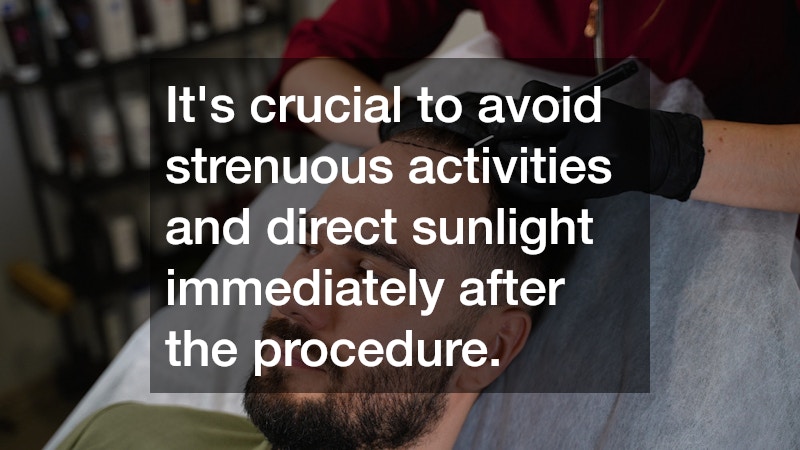
Proper care, including following aftercare instructions related to washing and handling the scalp, can significantly reduce recovery time. It’s crucial to avoid strenuous activities and direct sunlight immediately after the procedure.
Consistency in adhering to post-operative guidelines ensures faster healing and can positively impact the results, emphasizing the importance of post-procedure diligence.
Potential Risks and Complications
While FUE is generally considered safe, potential risks include infection, bruising, and minor scarring. These risks can be mitigated by selecting a reputable clinic and surgeon with extensive experience.
It’s important for patients to report any signs of complications, such as persistent pain or excessive redness, to their healthcare provider promptly. Early intervention can prevent further issues from developing.
Being thoroughly informed about the procedure and engaging in preventive measures can minimize complications, making the experience more seamless and satisfying.
FUE hair transplants offer a promising solution for individuals looking to address hair loss with minimal scarring and natural results. Understanding the procedure, selecting the right provider, and realistic expectations are crucial for success.
With proper assessment and consultation, potential candidates can feel empowered in their decision, knowing they’ve made a well-informed choice. Thorough preparation and post-procedural care are just as important as the procedure itself.
The journey to hair restoration through FUE requires careful planning and commitment, but the benefits can lead to significantly improved confidence and self-esteem.